

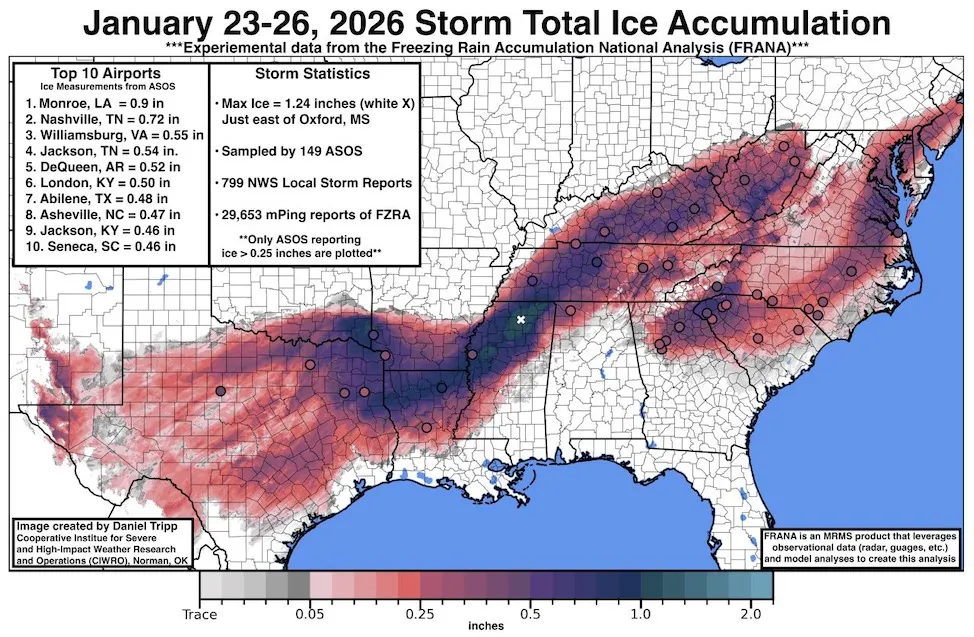
With spring rapidly approaching, the weather is beginning to heat up everywhere. Most are excited for bathing suits and pool days, but temperatures this high in February are growing more and more concerning for global warming activists. “Indianapolis has officially surpassed the record daily high for February 18 after 78 years, and the temperature is still climbing,” according to an article from IndyStar. And just a few weeks before that, on January 23, over 16 states in the U.S. were declaring a weather emergency just in the first day of the arctic blast, according to an article from TheGuardian.
Though, not just Indianapolis is being affected by these drastic weather changes. Antarctica, the coldest and driest continent on Earth, is now turning into a grassland, as many types of moss, grass and flowers are now inhabiting and taking over parts of the Antarctic ice sheet. “Flowers are booming at an unprecedented rate,” according to Earth.Org. Some of the plants mentioned include the Antarctic Pearlwort (Colobanthus quitensis) and the Antarctic Hair Grass (Deschampsia antarctica), both of which have expanded the “greening process […] by over 30% between 2016 and 2021,” and is set to continue its acceleration. “The continent will experience more pronounced extreme weather events in the years to come,” according to an Earth.Org article posted in August 2023. The rapid heat increase is also melting Antarctica’s glaciers, and if the ice blocks melt entirely, “sea level would rise by about 60 meters (200 feet),” according to an article by the National Snow and Ice Data Center. This would displace up to 40% of the world, billions of people needing to find a new home. Places like Denmark, Bangladesh and the state of Florida would be mostly, if not entirely, engulfed by water from melted glaciers. So, in order to prevent half the country losing their homes, there are things we can do to combat climate change while we still have a chance.
One of the biggest solutions to make an impact against global warming is to monitor energy use, which can start by limiting the usage of artificial intelligence. AI apps like ChatGPT, Google Gemini and Microsoft Copilot use up substantial amounts of greenhouse gases, which directly affect our climate and, in the long run, heat up the planet. Another way to fix these issues is to recycle old plastics and fibers that are typically used to generate fossil fuels: the biggest factor in global warming. “Plastics alone generated 1.8 billion metric tonnes of greenhouse gas emissions in 2019,” according to an article from the United Nations’ website. Lastly, the biggest impact one can make is to speak up about climate change. Getting friends and family involved in a broader project for a great cause can make an impact greater than you think. “Climate action is a task for all of us. And it concerns all of us. No one can do it all alone – but we can do it together.” the United Nations said.