
In the age of TikTok health and fitness trends, Starbucks’ new protein-packed drinks are the latest addition to the forefront of the “wellness” wave. Protein powder has moved beyond the gym and into everyday routines, and while the coffee chain markets its drinks as a healthier option, some students aren’t buying into the hype.
Protein itself has not lost any of its appeal. It is essential, especially for athletes who spend hours in weight class and practice. “They say that you should reach your body weight in grams of protein per day,” senior Carson Stringer explained. The amino acids that protein provides are necessary for muscle growth and repair. Without them, athletes are much more prone to injury.
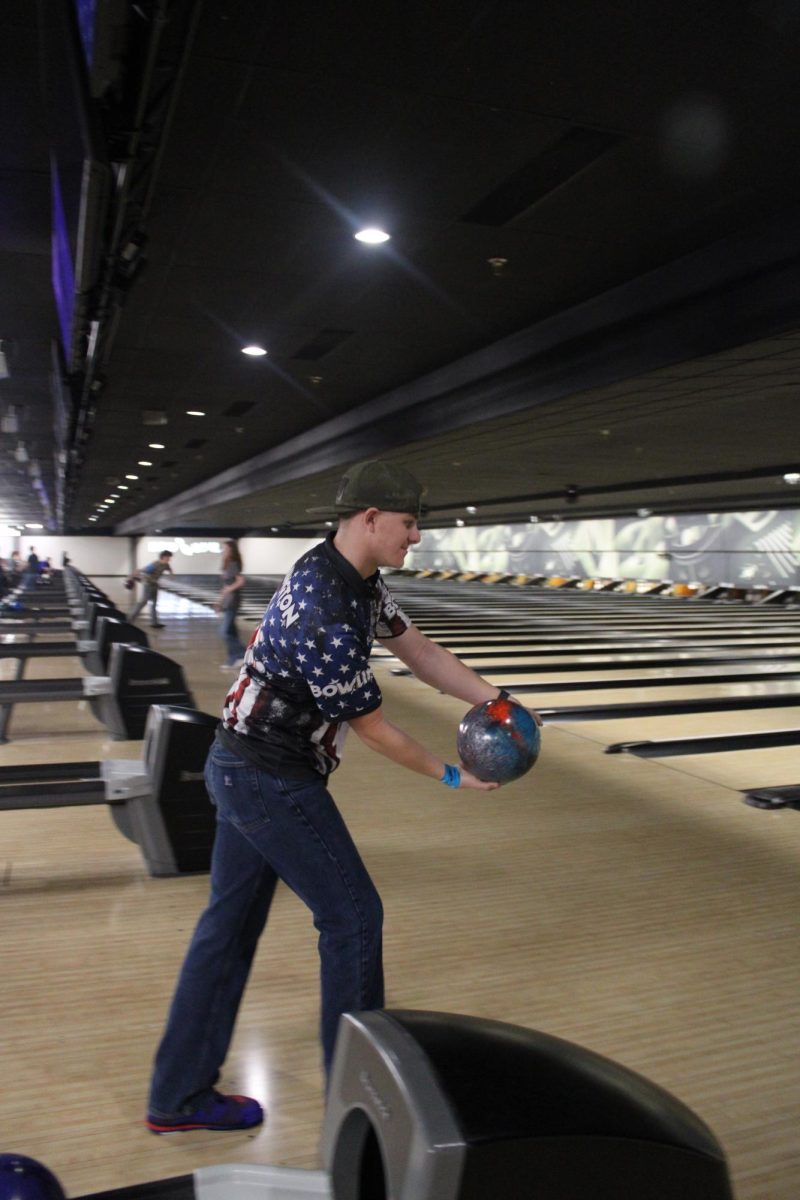
“Protein intake is very important to me because I’m an athlete and I want to gain muscle and weight,” said senior Nathan Risley, who regularly makes his own protein smoothies for breakfast. In order to reach his daily protein goal of 180 grams a day, he packs his smoothies with protein powder and raw eggs, claiming he’s “too lazy to cook them and they’re easy to eat.” His favorite source of protein, however, is chicken: “I eat chicken 60-70% of the time,” Risley said, preferring food staples over protein bars.
For senior Molly Gross, who regularly lifts during weights class and on her own, getting enough protein is a part of her routine. She sticks to what she calls “the basics”, foods like lean meats, cottage cheese and nuts, skeptical of the marketing push behind protein. “I mostly learned about protein online, but in health classes or anatomy, we also talked about it,” Gross explained. “I think it’s important, but I also feel like companies kind of exploit it because we’re on a fitness trend right now, as a society. I don’t necessarily think that it’s genuine.”
Despite student skepticism towards mainstream protein products, the influence social media has had on nutrition has made it more accessible and visible for the masses. Senior Kiera Nickelman noted how platforms like TikTok helped popularize protein-based products. “Built Bars were already popular before, but TikTok made them more popular,” she said. With ads popping up with every scroll of health-conscious options, people are drawn to try them out. “I think it’s making people think more about protein.”
Still, she recognizes that much of the trend is performative. People have been making protein coffee at home for years with Fairlife milk. Starbucks seemed to jump on this bandwagon to stay trendy, regardless of its target audience. Gross believes, “Starbucks’ protein cold foam is gross; it was thick. I would prefer to eat actual protein.”
According to the Global Market Insight, protein powder itself is set to have a compound annual growth rate of 6.8% by 2034, and its market value is predicted to grow from 24.6 billion dollars to 46.2 billion.
Whether it is a morning Starbucks run or a viral protein recipe, protein has become a cultural phenomenon as more people promote healthy eating. The sincerity behind the launch can be questioned, as many students have done. Many instead choose to return to simple, whole foods for their protein intake.