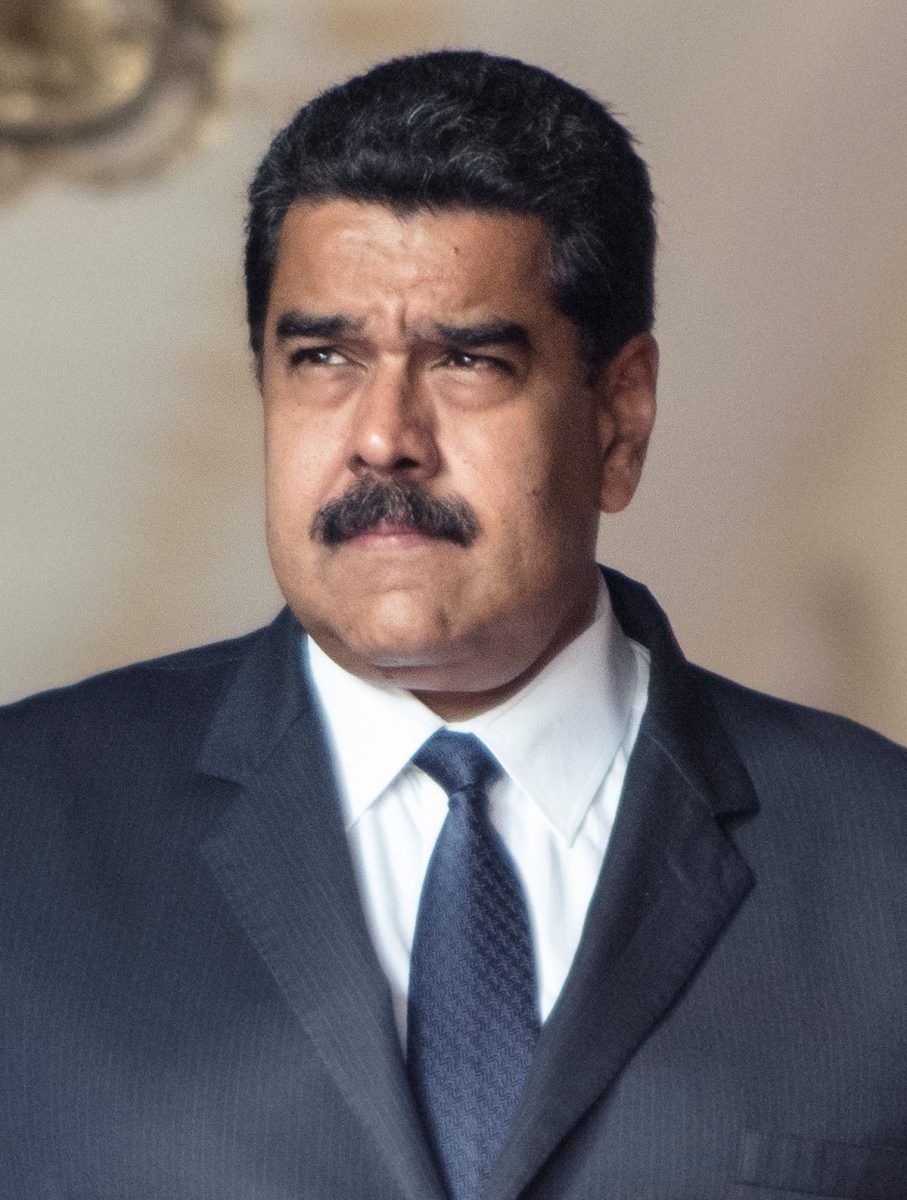
Earlier this week, U.S. military forces captured Venezuelan president Nicolás Maduro. This operation has drawn global attention and caused debate over military intervention, foreign policy motives and the future of Venezuela as a whole. As more information continues to come out, students are sharing mixed reactions, questioning whether the action was justified or not.
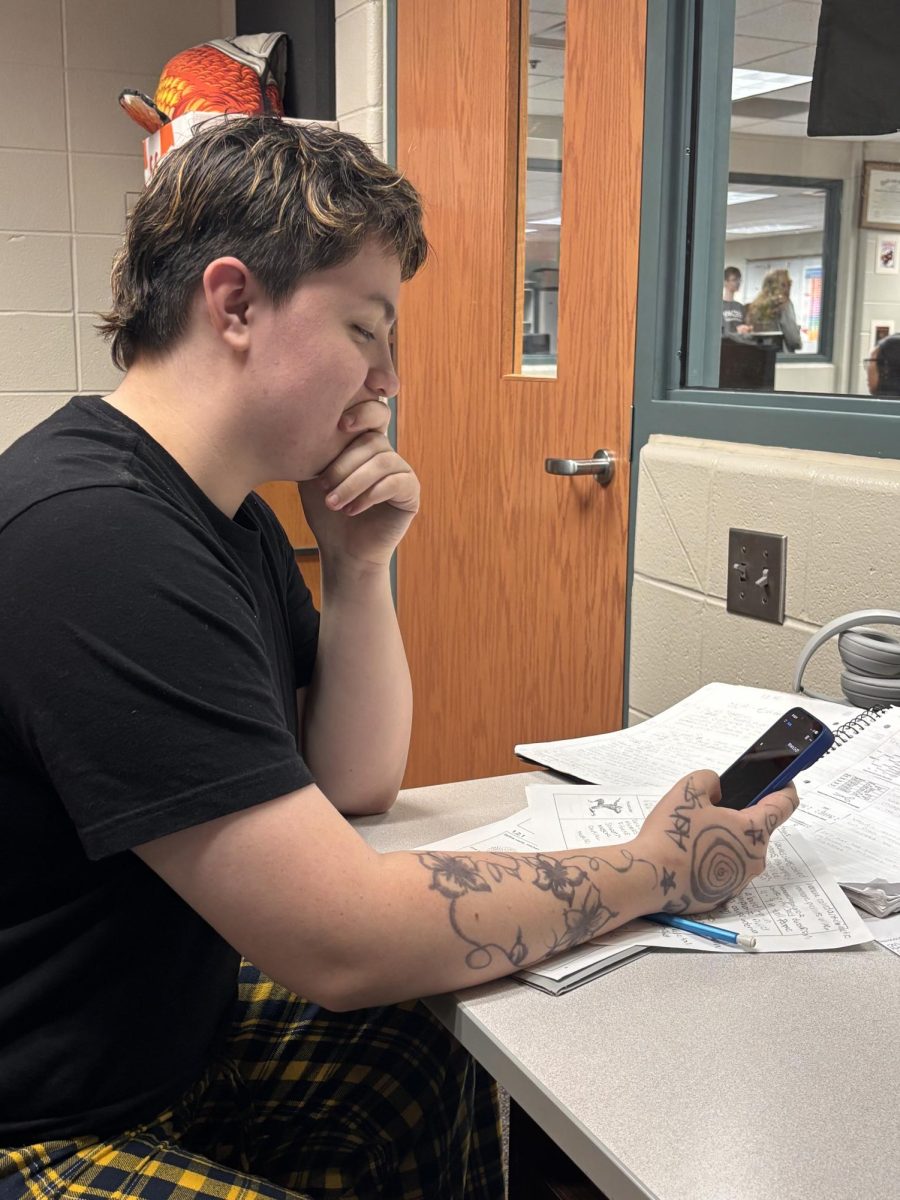
Senior Florence Dim believes the event showed a serious overreach by the U.S. government. The lack of transparency is something that concerns her. “I feel like the situation was an overreach because [President Trump] didn’t even tell Congress beforehand, which I find weird,” Dim said. “You’re sending real human beings out to do this, for what? There’s other ways to intervene in foreign affairs without doing that.”
Dim also raised concerns over the media’s involvement. There have been reports that major news outlets were aware of the plan beforehand. “Supposedly the Washington Post knew it was going to happen but didn’t say anything,” she said. She questioned whether the public knowing would change the outcome, adding, “I’m not sure Trump would be good enough of a person to pull the troops out if Venezuela was ready to fight back.”
For Dim, this issue sparked further questions and emotions. “It makes me think, what if this happened to Burma?” she said. “It’s such a complex situation, but I think sometimes it matters more how you do it rather than the outcome.” While she acknowledged that Maduro is viewed as a corrupt leader, she also wondered why the U.S. chose to specifically target him. “Yes, he’s getting rid of a bad guy, but why don’t they get rid of the bad guys in other countries?” Dim said. “There’s a reason why he picked Venezuela, and for me that’s why I can’t believe this was done to help anyone. Their ulterior motive is oil.”
Dim described the operation as a display of power rather than genuinely wanting to help people. “It’s just a big show of power… he’s been ramping it up for a while,” she said. She also criticized the logic used to justify the event. “Kidnapping Maduro saves innocent lives, but why would they save innocent lives by killing innocent lives?”
In the future, Dim worries about the power vacuum left behind. “I feel like the U.S. government is going to appoint someone in Venezuela that will bend to their values and wants, but that’s not what Venezuela needs to recover.” She emphasized that Venezuela should have control over its own resources. “That’s their oil. They should be able to have access to it and be able to profit from their own resources.”
Junior Nikolas Bauerle’s approach to the situation is more uncertain. He has only done surface-level research but is familiar with the major allegations against Maduro. “From what I’ve heard, him and his wife were accused of narcoterrorism charges and alleged Geneva Convention violations, but my sources could be wrong,” Bauerle said.
Due to this uncertainty, Bauerle makes an effort to explore multiple news sources due “Typically if I want to figure something out, I’ll check most different news outlets for what the consistent information is,” he said. “A lot of news outlets are on one side or the other, so it can get skewed.”
If the allegations are true, Bauerle believes it may be partially justified. “If this has been going on for years and years, it’s probably somewhat justified,” he said. “Maybe not handled the correct way.” Though he had conflicting feeling about the civilian deaths. “Civilian deaths in a war or military situation are going to happen, and it sucks,” Bauerle said. “That doesn’t make it okay, but it’s reality, and that’s why I’m kind of on the fence.”
Like Dim, Bauerle believes economic interests played a major role. “If they can get him out of there, they can get someone who will do business with the United States. Fixing their economy isn’t because we’re all good people, it’s because it’s beneficial,” Bauerle said
Long term consequences also raised concern, especially given Venezuela’s ties to China and Russia. “It’s really easy to pick on a small country with super high inflation,” he said. “But when it gets to bigger things, it could get us in a lot of trouble.” Still, he noted that some people are celebrating the regime change online and hope it could lead to a better standard of living.
These student perspectives highlight the uncertainty and debate around the capture of Maduro, reflecting broader questions about power, morality, and the role of the United States globally.