
On July 14th, 2025, President Donald J. Trump terminated TPS in Afghanistan, later cascading to various countries, including Haiti, Honduras, Nicaragua, Venezuela, Cameroon, South Sudan, Ethiopia, Somalia and Myanmar. Impending foreign employer’s lawful place in the workforce, leaving them without stable legal income.
TPS is a humanitarian program run by the U.S. government, granting temporary legal status to foreign nationals already in the country when their home nations are experiencing extraordinary hardships. These hardships can include armed conflict, environmental disasters or other “extraordinary and temporary conditions” that make it unsafe to return home.
TPS can be a path to residency or citizenship. It allows eligible individuals to live and work legally in the U.S. for a designated period, typically ranging from 6 to 18 months, though the status can be renewed if conditions in their home country remain dangerous. If TPS recipients are eligible, they may apply for citizenship or residency, as well.
Since its creation in 1990, TPS has provided protection to hundreds of thousands of people from countries like El Salvador, Haiti, Syria and Nepal. Beneficiaries are allowed to obtain work authorization and are shielded from deportation for the duration of their designation.
However, according to uscis.gov , TPS is separate from Permanent Resident Cards (green cards) and visas and the protection it provides is still fragile. Under U.S. law and USCIS guidance, TPS is a temporary benefit that does not by itself create lawful permanent resident status or any other immigration status like a visa. Though it protects foreign citizens from removal, and allows work authorization while the designation is in effect, it does not ensue permanent residency or citizenship.
As several countries lose TPS, many immigrants living in the U.S. are increasingly concerned with their citizen stability and legal protection. With Myanmar set to lose TPS on Monday January 26, 2026, many Burmese Americans are now fearing their place in this country.
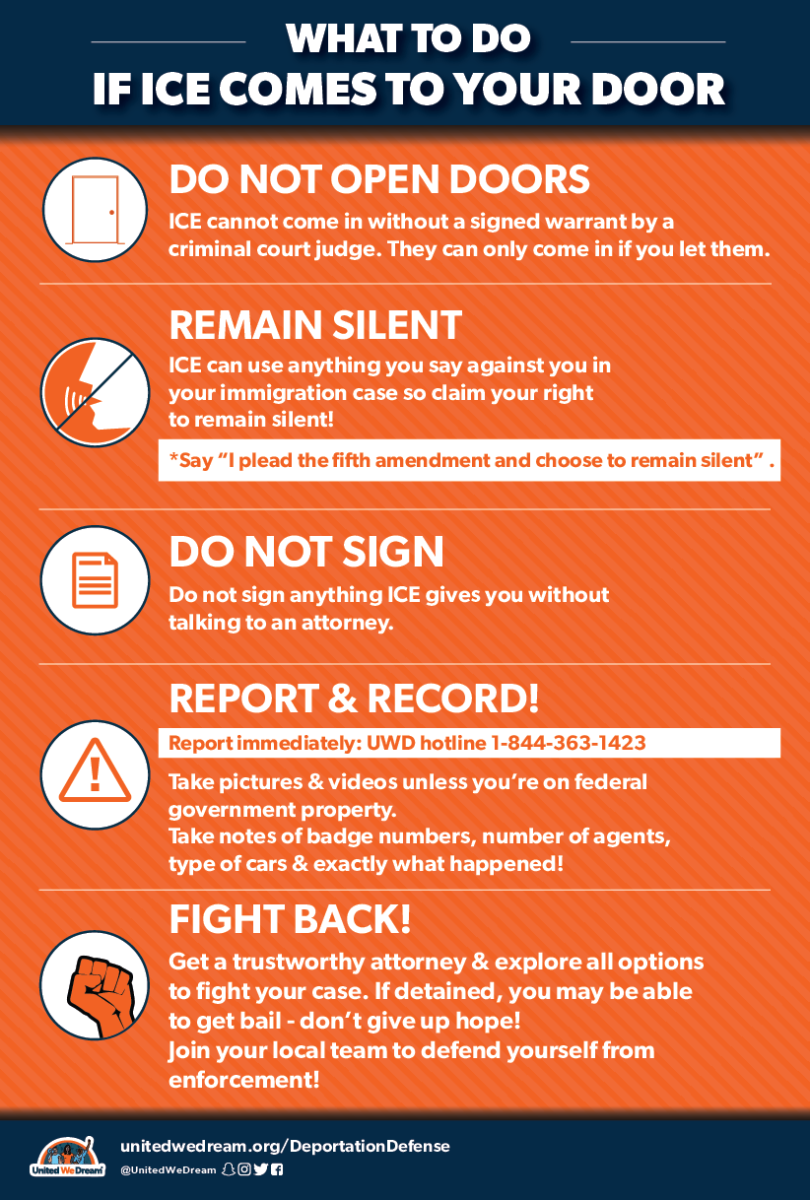
In response to fears, there is an informational guide outlining individuals’ rights when encountering ICE aiming to provide clarity and reassurance amid growing uncertainty.