
It is the season of giving. Whether that means lending a helping hand to the community through volunteering at a food bank or a toy drive, making a donation to a non-profit or tying scarves around trees for unhoused people, there is generosity far and wide. This giving season in particular, though, there is a need for teachers and tutorers.
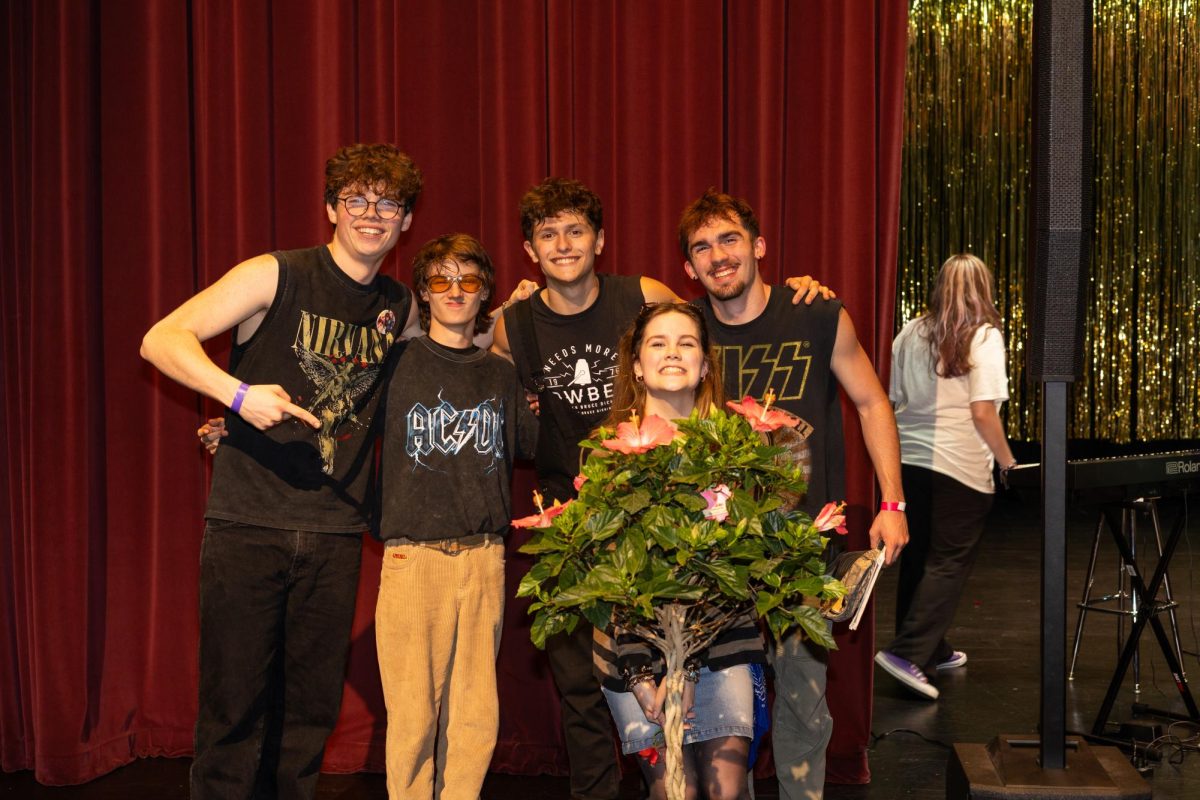
Junior Fernando Jimenez has helped his relatives pass their naturalization test. After taking the naturalization test in his social studies class in eighth grade, he felt prepared to teach some of the content on the citizenship exam. “I remembered everything, so after [taking the class it] was a matter of helping my family members out,” Jimenez said.
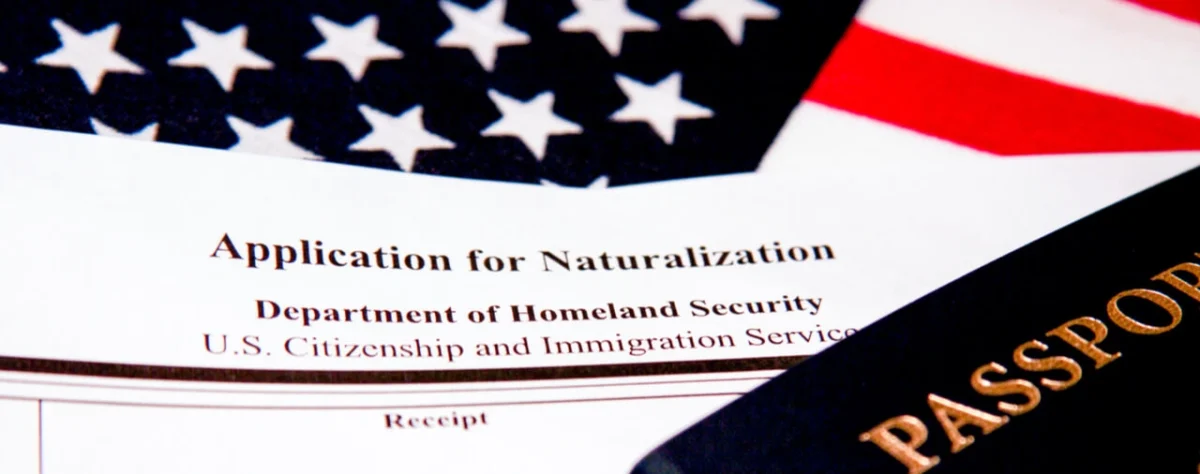
Government teacher Patrick Chambers, since this summer, has been volunteering through the American Citizenship Coalition to help immigrants obtain their citizenship through tutoring. To pass the citizenship test, it is necessary to read, write and communicate well in English, in addition to the high-level questions concerning American history and government. The Trump Administration has set a precedent to make the exam more difficult. In accordance with this, the U.S. Citizenship and Immigration Services (USCIS) has added more questions that could be asked during the civic part of the exam, changing it from 100 to 128. The standard is now that applicants will be required to give at least 12 correct answers out of 20 instead of the previous six out of 10. Due to these circumstances, the need for volunteer tutors and teachers is at a higher demand than ever before.
In addition to a longer exam, there is more demand from instruction officers to conduct a “good moral character” review. Before the Trump administration, applicants would have to show the absence of serious wrongdoing like murder, drugs and failing to pay taxes. Now, the applicant not only has to show absence of wrongdoing, but also the presence of civic duty based on community involvement, education and family caregiving. These new additions have made the process more difficult for many immigrants, especially those who face language barriers or lack a formal education.
Jimenez mentioned this barrier as well. “I had the resources because I bought some flashcards to learn, and I had some packets that I used to learn in my social studies classes. My problem is that there weren’t any resources in Spanish. [I was] using the same resources I had, but translating them,” he said.
There have been additional changes to Temporary Protected Status (TPS) by executive decision. TPS is given due to issues such as armed conflict or devastating natural disasters. The president has a “tremendous amount of authority” over decisions regarding cases of TPS, Chambers said.
“I think that most people in a situation [as] vulnerable as anyone who [has] TPS realizes that first word, ‘temporary,’ that there is no guarantee,” Chambers said. If someone has TPS, though, they can generally take steps towards naturalization, but with the standards for TPS and naturalization changing, nothing feels secure.
Naturalization is not an easy process. The sheer amount of knowledge required to take the exam about American history and government is enough for most American-born citizens to not pass. According to the National Institute for Citizens and Scholars, just one in three American-born citizens can pass the US naturalization test. On top of this, a barrier with the English language and the money required make the process even more difficult.
Once someone files the proper paperwork to take the naturalization exam, it is not certain when they will be called to do so. Time is of the essence in most of these cases, so consistency is required in studying.
For senior Solomon Cem, familiarization with the American Citizenship exam started when he was nine years old, guiding his mother to study for her naturalization test. Cem’s mother was given a DVD going over the questions on the test, which they would play anytime they were in the car. “We would play the DVD, and I would tell her whether she was right or wrong,” Cem said.
Chambers has also been dedicated to working with the woman he was assigned to teach. “Being from the Western part of Afghanistan, women are not oftentimes educated unless they’re educated by their parents… I realized that she was also illiterate in both [her native and the English] languages,” he said. Chambers said that for his student, the impact that deportation back to Afghanistan would have on this woman is detrimental. As the naturalization process and TPS become more difficult to acquire, it has begun to put more pressure not only on the individuals becoming citizens but also on their families. “All of her children and grandchildren are here in the United States…since the United States has pulled out of Afghanistan, post 9/11, [the nation] has been taken over by the Taliban,” Chambers said.
There is a fulfillment in this kind of teaching that does not happen in the classroom for Chambers. “I have been told many times, ‘thank you, thank you. I am so grateful that you are my teacher’[…] it makes you want to help more,” Chambers said.
Chambers sought volunteer opportunities where he could use his skill set. Most are not government teachers or able to tutor for the citizenship exam, but there are organizations in the community that are always looking for volunteers. Organizations that are local to Indiana, such as Exodus Refugee, and nationally, like Refugee Assistance projects, have lost public funding. Monetary donations to these non-profits go a long way, but it is free of cost to write and call elected officials to express your needs or advocate on others’ behalf. It is important that people seek out organizations to volunteer with because these non-profits may not have the funding or time to advertise, asking for community support.
Allow communal generosity to extend beyond the holidays, though. The need does not stop when the New Year begins. “[It’s about] helping people in need because after all, we’re all the same people,” Jimenez said.