

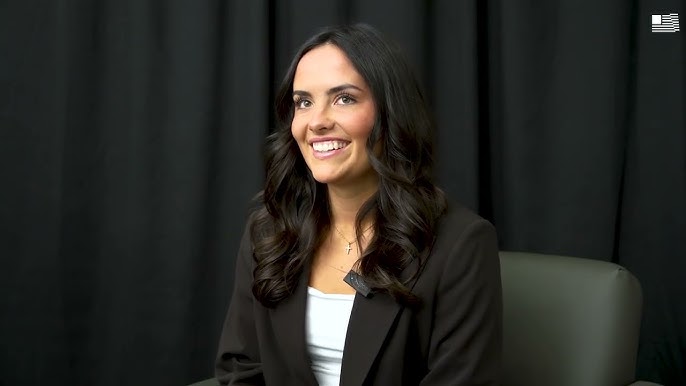
Junior Samantha Fulnecky at Oklahoma University has been recently making headlines for an assignment she turned in for a Psychology class. Depending on which news outlet or social media platform you read, the narrative about this assignment varies. The facts and assessing the true nature of this situation for yourself is important because it is hard to discuss a situation like this unbiasedly.
According to Koco.com, the website for local Oklahoma city news, “the grading was based on whether there was an understanding of the article, whether it was a clear reaction, and whether the main ideas were organized in a coherent discussion.”
Fulnecky, for her response to the assignment, received a 0/25. The main reason that the teacher’s assistant (TA) who graded it gave for this was that “the essay did not follow the assignment guidelines and was “at times offensive.” The instructor said it lacked empirical evidence.”
The TA followed this justification by clarifying the grade given was not due to Fulnecky’s personal beliefs, but more in part because there was no analysis of what she was tasked to write about. The TA said that, “[Fulnecky’s assignment] heavily uses personal ideology over empirical evidence in a scientific class.”
I highly encourage you to read the assignment rubric and Fulnecky’s response for yourself, because the grade dispute is yes, objective, but still an opinion.
Fulnecky filed a report to OU stating that her 1st amendment rights to freedom of speech and religion were violated in the grade and commentary given by the TA. The assignment was then given to another TA to regrade, and the same 0/25 score was given. In a statement released by OU, “The graduate student instructor has been placed on administrative leave pending the finalization of this process. To ensure fairness in the process, a full-time professor is serving as the course instructor for the remainder of the semester.”
School should be a place where students can develop and defend their beliefs; however, in certain circumstances, if the assignment is not completed, a grade should be given accordingly. There are many opportunities to express personal opinion, but the “personal reaction” element in the assignment instructions should not consume the entirety of the response, which is what Fulnecky did.
This being said, the grade and response of the TA is not the part that needs to be addressed. The problem lies within the treatment that the TA has received for the grade given on Fulnecky’s essay.
As OU placed the TA on administrative leave, they appear to be allowing the dispute on one assignment to determine the job outcome and protections for this TA. Now, homework has become a political tool in which we can remove people from their jobs. Assignments with mention of personal opinion are used against educators, not allowing them to truly be objective with their score. If, as a society, we create fear in experts such as teachers and professors to be honest in their criticism, we close the door to discussion and improvement.
As Fulnecky does have the right to express her beliefs, the TA also has the responsibility and job to give an honest grade. And for this, there should be no backlash.
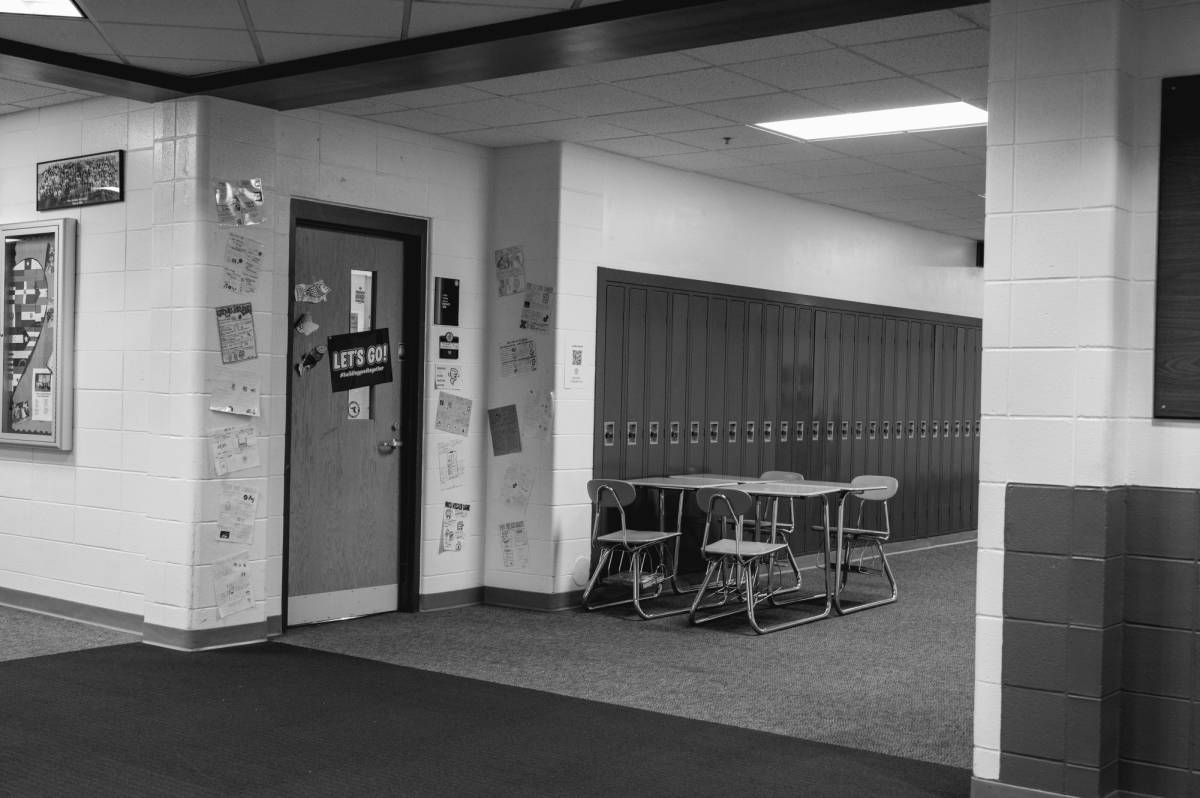
This attitude can be seen in our local community. Indiana Attorney General Todd Rokita has used X to call teachers with LGBTQ ally stickers on their classroom doors out for being “woke”. Rokita also established Eyes on Education, an in.gov page where teachers are able to be turned in for investigation by the Attorney General’s office. The mission of this program states that, “Our kids need to focus on fundamental educational building blocks, not political ideology – either left or right. Eyes on Education is a platform for students, parents, and educators to submit and view real examples from classrooms across the state.”
While students should be able to seek resolution to issues in the classroom, this program has created fear in teachers. Programs such as Eyes on Education, the backlash that teachers receive on social media, and the case of Fulnecky diminish teacher’s abilities to do their jobs because of fear. The fear of making headlines for giving a grade. The fear of being put on social media by a government official for declaring themselves a safe space. Educators should not have to fear the classroom either.








Levi Riggenbach • Jan 16, 2026 at 11:56 AM
In the article you state that we can read the assignment ourselves. How do we do that?