


Slang infiltrates vocabulary. It is a human quality to hear a word or phrase or see a mannerism and almost subconsciously incorporate it into our own expression. Slang and pop culture references are primarily found in movies, news and music alike, but in recent years it appears that social media is the driving force for the words we use and the gestures we make.
Slang cycles through like a trend.
In the last few weeks I have noticed a rise in the “slang” usage featuring Israel and its leader Benjamin Netanyahu. Whether it is, for example, blaming Israel for all of someone’s problems or claiming that they did something wrong because they were influenced by “The Big Yahu,” the contemporary use of these slang is running rampant.
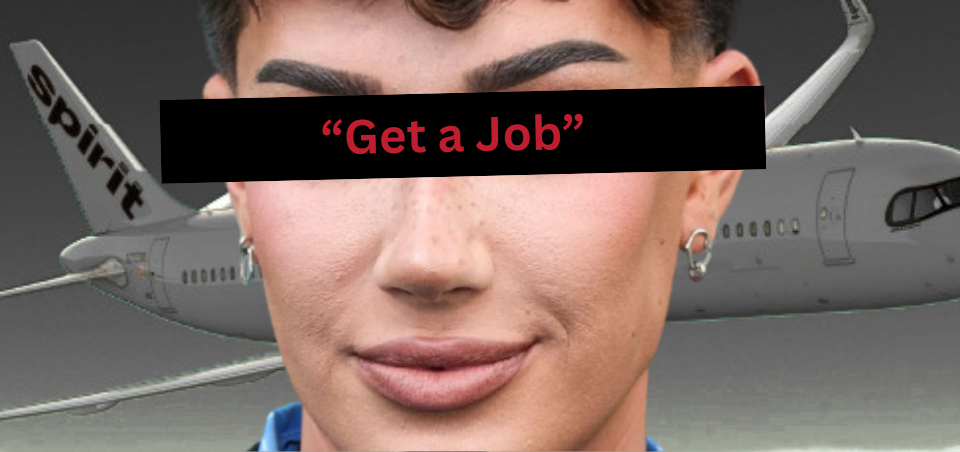
“Spiritually Israeli” is the term that has been used to describe this, defined by Wiktionary as “[being] emblematic of corporate greed, plagiarism, cultural appropriation, and performative influencer culture (not necessarily having any connection to Israel).” In addition to this, it can also be used to describe when something is imperfect or unpopular.
People have taken to blaming Israel and Netanyahu for minor disruptions in their lives such as failing a test or getting ghosted. This claim is often assigned to things that are seemingly out of someone’s control, so placing blame on something might bring them closure and forgiveness for an inconvenience or frustration.
“I just cannot believe that The Big Yahu[Netanyahu] made me fail that Chemistry Test. Why does he have it out for me? It is absurd,” one student in the hallway said.
However, the people who use these terms on a daily basis are not understanding what they are saying. While some slang is harmless, simply trend-hopping whatever vernacular people come across in their daily lives without grasping the deeper, more complex, picture of it all can be harmful. In simpler terms, understanding what the words you are saying and their meaning is important.
The people who are using these words- usually ironically or in a joking manner- are not just using slang; they are lessening the impact of Israel’s actions over recent years, even if they do not realize it. I realize that that sounds extreme (that teenagers using the newest slang is indirectly supporting Israel), but how news spreads now from word-of-mouth from person-to-person is directly shown in these words. This brings about the “softening” of how people hear about Israel’s actions, and therefore they do not believe in the severity of the situation.
I think a better way to end this is to encourage people to stop just saying what everyone else is saying, and that people need to think for themselves and about what they are doing before they do it.
These jokes are more complex than just jokes, and people must realize the impact of their speech.











Tung Tung • Mar 20, 2026 at 1:58 PM
As a high schooler chuckling along while reading this, I understand the concern. In practice, it does lessen the seriousness in which we talk about these topics, but the seriousness depends more on the environment in which we are talking. In a class setting, we always get serious about the topic, and give genuine, sincere opinions about it. It’s just that in passing, like hallways, it’s a whole different mood and mode of conversation.