
When I was in Kindergarten, we were asked to draw pictures of our future selves in our dream professions. Every girl chose “nurse,” myself included. Every boy chose firefighter, policeman or some other uniformed branch of service.
All my life, I have been asked what I want to be when I grow up. Who will you become in ten or fifteen years? I usually answered with something safe—something practical—“whatever makes me money.”
But no one ever asks who I want to be right now.
Over the years, people have revived the college conversation, the decade-long blueprint I’m supposedly meant to have drafted already. I learned to offer stock answers—publicly pleasing, neatly packaged responses—to quiet the crowd and redirect the spotlight. I was never the best student. I remember my first-grade teacher telling me to be more like Payton—the popular blonde girl in a classroom of eight-year-olds. I never earned Student of the Month, though I did win every spelling game.
In fourth grade, my new school held an annual spelling bee, and for the first time, I wanted something fiercely: to win. Unlike my old school, this one went in a circle. The boys could spell, too. I was good—better than most. When it came down to Josh and me, every boy in the class stood behind him. A few girls stood behind me. The imbalance was undeniable.
Then the teacher read the word: “swivel.”
The crowd roared—for Josh. Even the girls.
I did not learn how to spell swivel until this year.
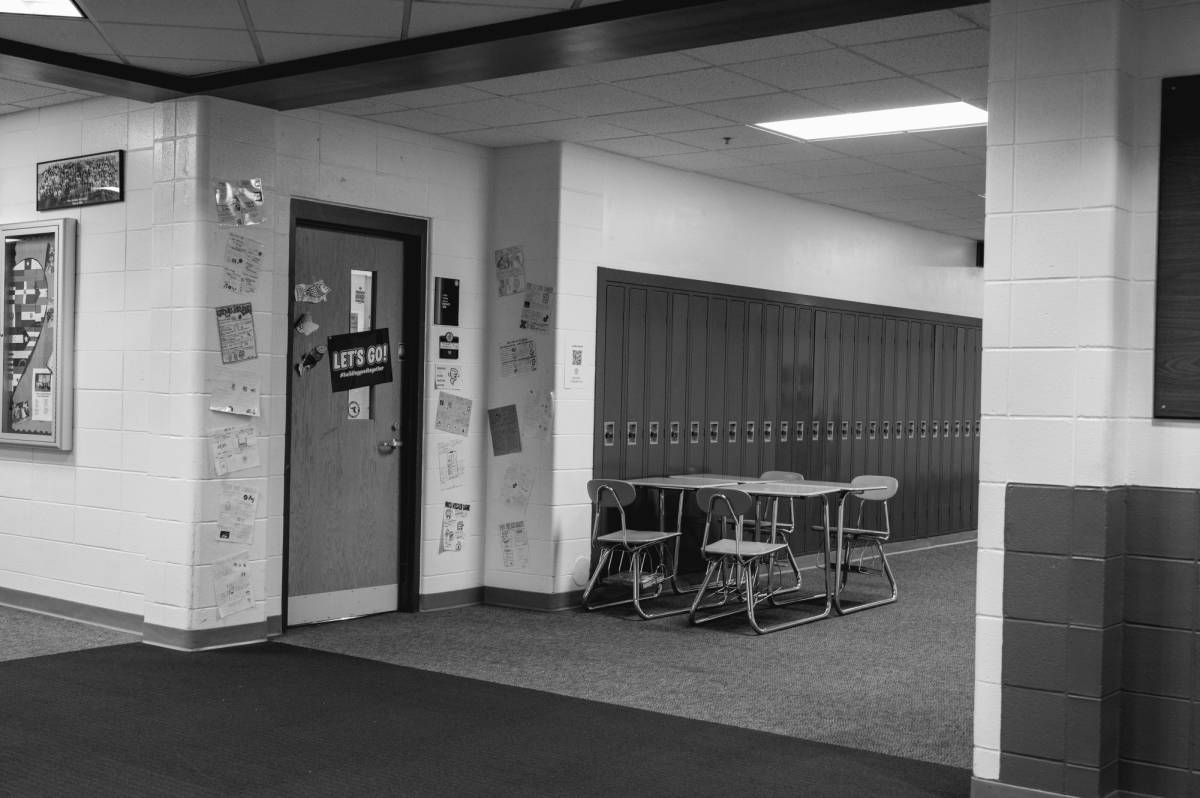
That same year, I ran for class president. Despite my lack of popularity, despite the quiet loneliness I carried, I wanted to try. I decorated unicorn posters and hung them between the two fourth-grade classrooms, right beside the bathroom doors. They lasted three days. Someone tore one in half and left it in the trash below—as if symbolically disposing of me along with it.
I carried that moment into adolescence. I still carry it now. I have never truly been entrusted with leadership. I have run, volunteered, tried—and each time, I am quietly dismissed. I tried out for tennis, lacrosse—soccer and was denied. I was invited to join the middle school basketball team but declined; the girls had already made it clear I was unwelcome off and on the court. I was singled out, openly ridiculed in the bright daylight of the playground mulch while teachers looked away.
How I am perceived matters.
How I am loved matters.
How I am dismissed, misunderstood, or undervalued—it all matters.
It is easier to pretend it doesn’t than to admit how deeply it does.
Even now, within the small circle I choose to keep, I sometimes feel unseen—devalued in subtle ways that are difficult to name but impossible to ignore. Words offer reassurance; actions reveal truth. I try. I show up. I contribute. I just want to be appreciated—genuinely, without obligation or reluctant pity.
Strangely, it is only when I withdraw—when I mirror the distance shown to me—that I am labeled “off.”
Memories harden into resentment when patterns repeat. I love learning. I love growing. But when no one tells me what I have done wrong—when no one names the flaw in my ethics, my tone, my presence—how am I meant to improve? I am not asking to be reshaped to fit someone else’s comfort. I am asking for clarity. For accountability. For honesty.
The cycle is built on misinterpretation and miscommunication. People decide who I am before speaking to me. And when they finally do, they often ask, almost bewildered, “Why didn’t I ever come to you for advice?”
Because you judged me first.
Is it my voice? My posture? My restraint? My intensity?
Is it something I cannot see?
I never know.
Since no one is asking who I want to be right now, I will answer it myself:
I want to be appreciated. More than that—I want to be understood. I want someone to listen without preconception, to see me as those who truly know me do. I do not want to be reduced to assumption.
I want to be known.