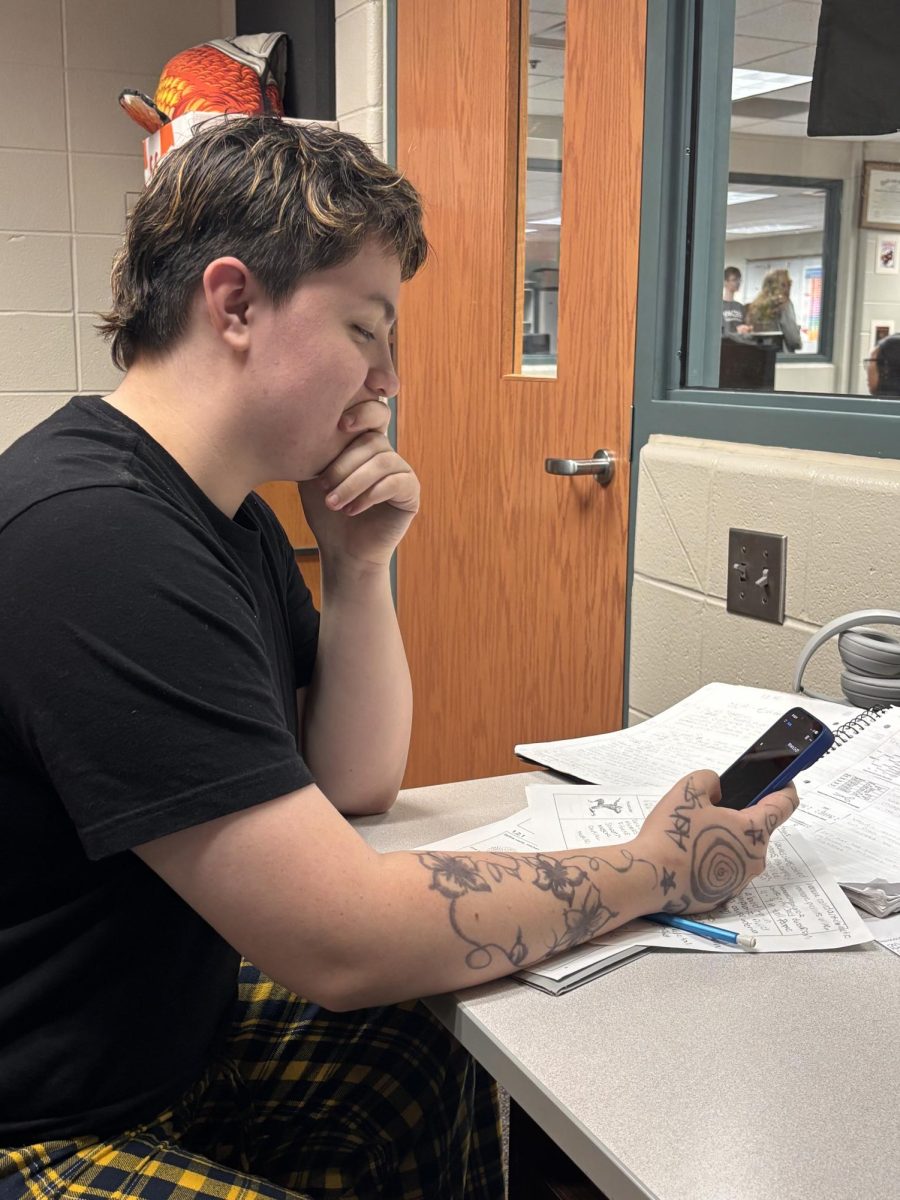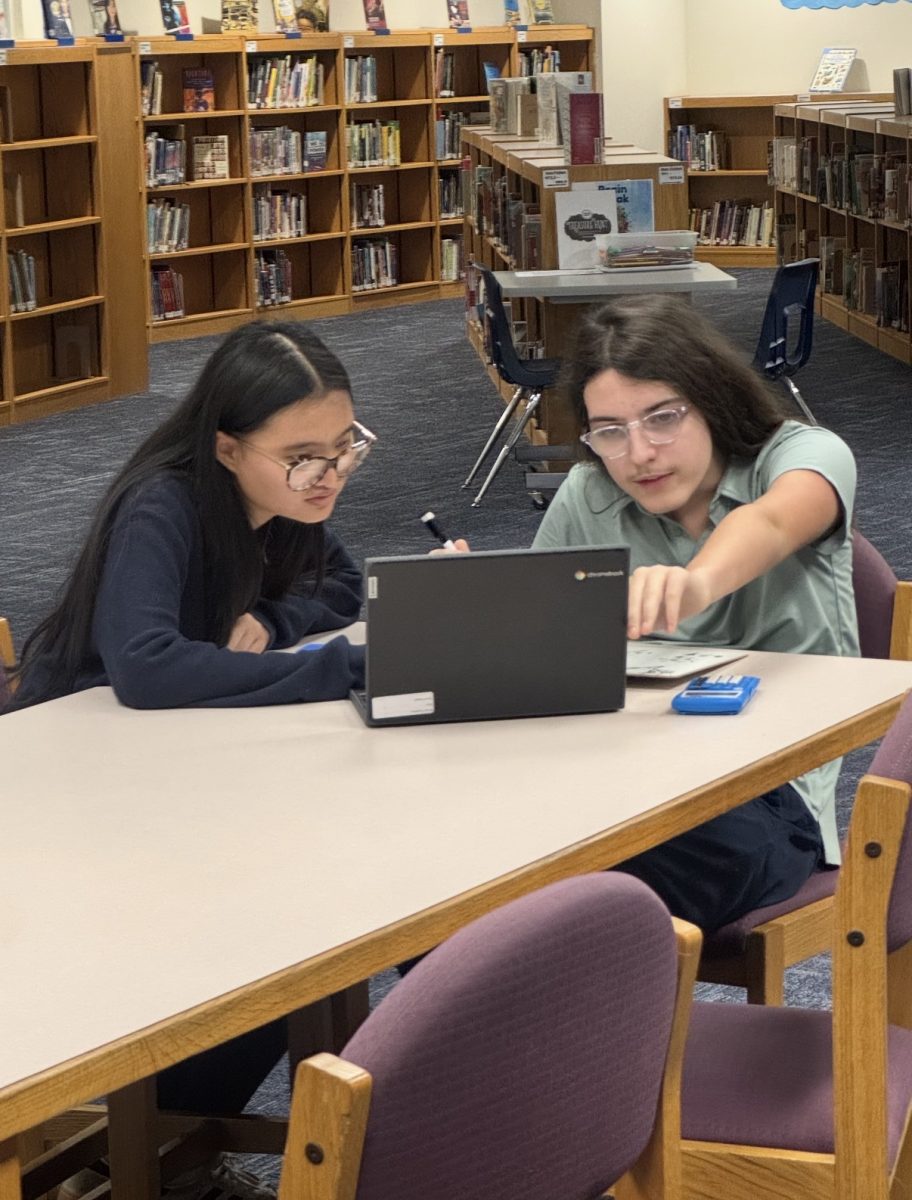
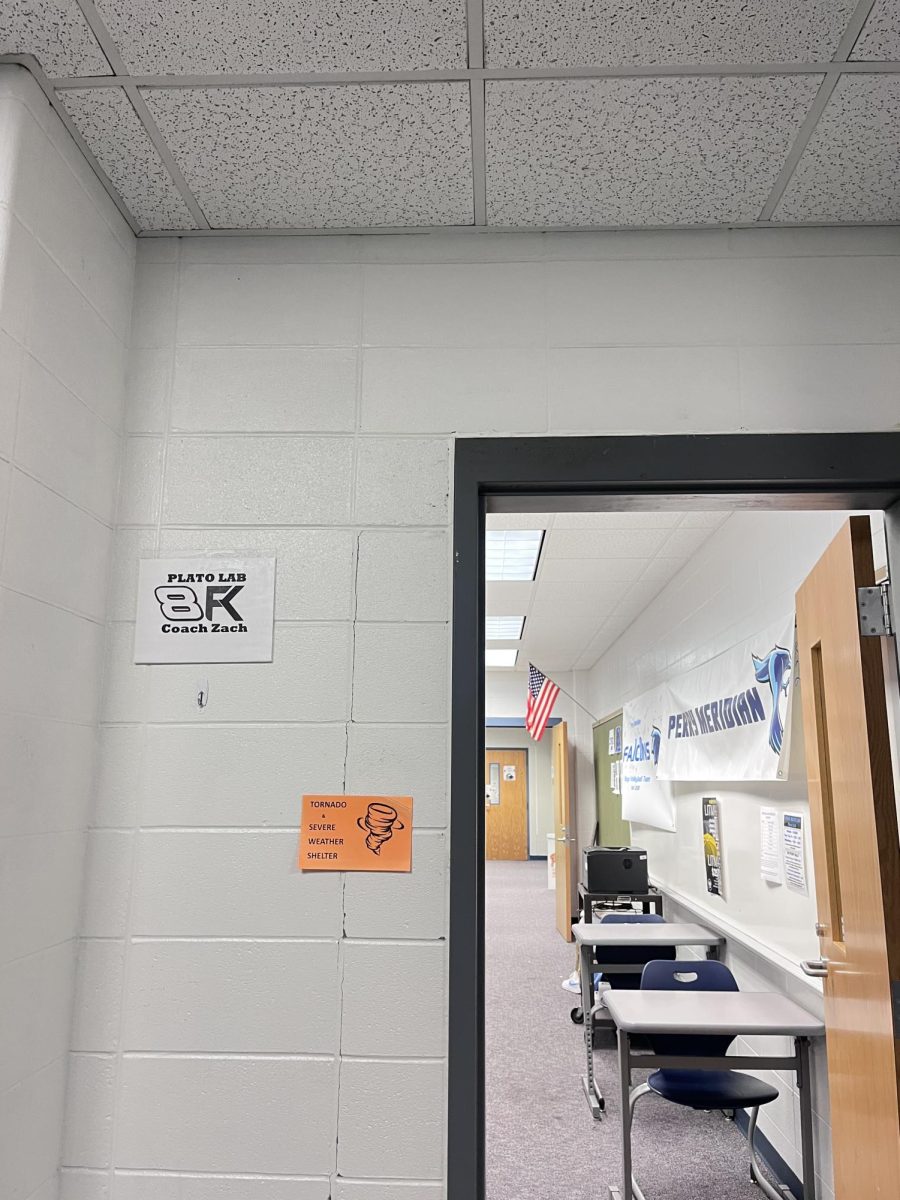
Classes are packed like a study hall, but this is not a study hall. Students are tasked with classwork, but there is no live lecture. For some, PLATO Lab, this nontraditional class environment is a necessity to make sure they walk the stage in May.
PLATO serves as an opportunity for students who have dealt with failed necessary credits, expulsion or have had health issues, to name a few, to finish high school on time. PLATO is also a route for fast track students to complete their required credits. “I get a lot of juniors and seniors,” Zach Ridener, the PLATO teacher said.“[For example] a junior sitting in freshman English probably isn’t the best idea […] so this allows them to replace a study hall with PLATO Lab.” Most students this semester are retaking English 12a and Government.
Students are able to complete an entire class in eight to 10 hours if they choose, or if they decide to “take good notes it usually takes them 40 to 50 [hours].” Access to the Think Tank and tutors in subjects such as math ease the workload and provide assistance to these students.
Class sizes for Ridener have increased heavily into this semester for a few reasons. “We usually do a Fall Intersession for students that were really struggling with the class, and they could take it on PLATO [during intercession]”. This school year, however, PMHS did not offer one. Additionally, with the modification to the grading scale this school year, PLATO Lab sizes have felt the effect. “First semester was pretty consistent with 10 to 22 […] now this semester my smallest class is 26 and my biggest is around 42,” Ridener said.
While the PLATO lab differs from a normal classroom, it serves a distinct role at PMHS helping students graduate. And as the class size gets bigger, the role has become more important.